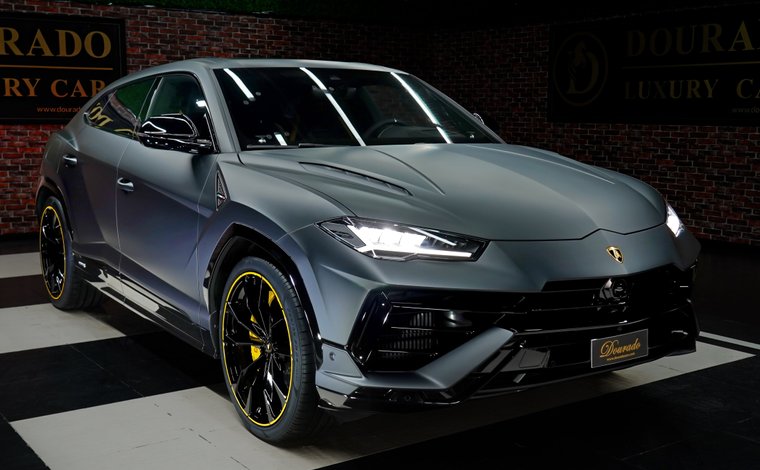
The Evolution of Luxury Cars: From Classic to Contemporary
The evolution of luxury cars has been a fascinating journey, reflecting changes in technology, design, and consumer preferences. In the early 20th century, marques like Rolls-Royce and Bentley set the standard for elegance and opulence, with hand-crafted details and robust engineering. As the decades progressed, the definition of luxury began to shift. The 1950s and 60s introduced the golden age of American muscle cars, where performance began to play an equally important role alongside luxury. Cars like the Chevrolet Corvette combined sleek designs with incredible speed, forever changing the landscape of what luxury vehicles represented.
In contemporary times, the luxury car segment has further evolved, emphasizing sustainability and technology. Brands like Tesla have become synonymous with luxury electric vehicles, showcasing that ecological responsibility can coexist with high-end features and performance. Additionally, advancements in technology, including autonomous driving and smart connectivity, are redefining the driving experience. As we look to the future, the transformative journey of luxury cars is set to continue, driven by innovation and a commitment to meeting the expectations of a new generation of car enthusiasts.
Top 10 Luxurious Features Every High-End Car Should Have
When it comes to high-end vehicles, the luxurious features they offer can significantly enhance the driving experience. Here are the top ten luxurious features that every high-end car should have:
- Advanced Infotainment System: A high-quality infotainment system that integrates with smartphones and offers navigation, music streaming, and voice commands is essential.
- Premium Audio System: A surround sound audio system provides an immersive listening experience, perfect for audiophiles on the go. Brands like Bang & Olufsen and Bose are well-known for their exceptional sound quality.
- Massage Seats: Seats equipped with massage functions ensure that long drives are comfortable and relaxing.
- Adaptive Cruise Control: This feature allows for automatic speed adjustments based on traffic conditions, enhancing both comfort and safety.
- Temperature Zone Control: A multi-zone climate control system ensures that all passengers remain comfortable, regardless of their individual preferences.
Aside from the above features, high-end cars often include additional optional luxuries that elevate the experience further. Highlights include:
- Panoramic Sunroof: A panoramic sunroof provides an open-air ambiance to the cabin, allowing occupants to enjoy the sky above.
- Night Vision Assistance: This technology uses infrared sensors to detect pedestrians or animals at night, adding an extra layer of safety.
- Customized Interior Finishes: High-end materials such as leather, wood, and metal accents can be tailored to the owner’s style for a truly unique driving experience.
- Self-Parking System: Many premium vehicles now feature self-parking capabilities, making parallel parking a breeze.
- High-End Security Features: Luxury vehicles often come equipped with advanced security systems that include tracking and alerts to protect your investment.
These luxurious features not only enhance comfort and safety but also add value to the driving experience. For a more in-depth look into what makes a high-end car truly luxurious, check out sources like Car and Driver and Forbes.
Is the Price of Luxury Cars Justified by Comfort and Performance?
The debate over whether the price of luxury cars is justified by their comfort and performance often hinges on individual preferences and expectations. Luxury vehicles, such as those from brands like BMW and Mercedes-Benz, typically incorporate advanced engineering and high-quality materials that enhance the driving experience. For instance, features such as premium leather interiors and cutting-edge infotainment systems can significantly elevate comfort levels, making long journeys more enjoyable for passengers. Furthermore, many luxury models offer superior performance metrics, including powerful engines and advanced suspension systems, which contribute to a more exhilarating driving experience.
On the other hand, critics argue that many of the features found in luxury cars can be replicated in less expensive models. Brands like Toyota and Honda have made strides in developing vehicles that offer impressive comfort and performance without the luxurious price tag. Additionally, maintenance and insurance costs for luxury vehicles can be exorbitant, countering any initial savings on comfort and performance enhancements. Ultimately, whether the high price of luxury cars is justified remains subjective and dependent on the value placed on exclusivity, brand prestige, and personal preferences.